


Sep 19, 2026
Codex and Claude Code at JADEV: how we work
Our current tool choice, quarterly review and rules for AI in client projects. Engineers remain accountable for what ships.
Jamal AbdelkhalekRead
Lessons, patterns and market signals. By Jamal Abdelkhalek, JADEV founder.
Our current tool choice, quarterly review and rules for AI in client projects. Engineers remain accountable for what ships.

Half of what gets called technical debt is not debt. How to tell deliberate borrowing from ordinary mess, how to make the cost legible to a board, and why some of it should be left exactly where it is.

There is no best staff augmentation company, only a best fit for the work you have. Here is how the market actually splits, what separates providers on a first call, and where we are the wrong answer.
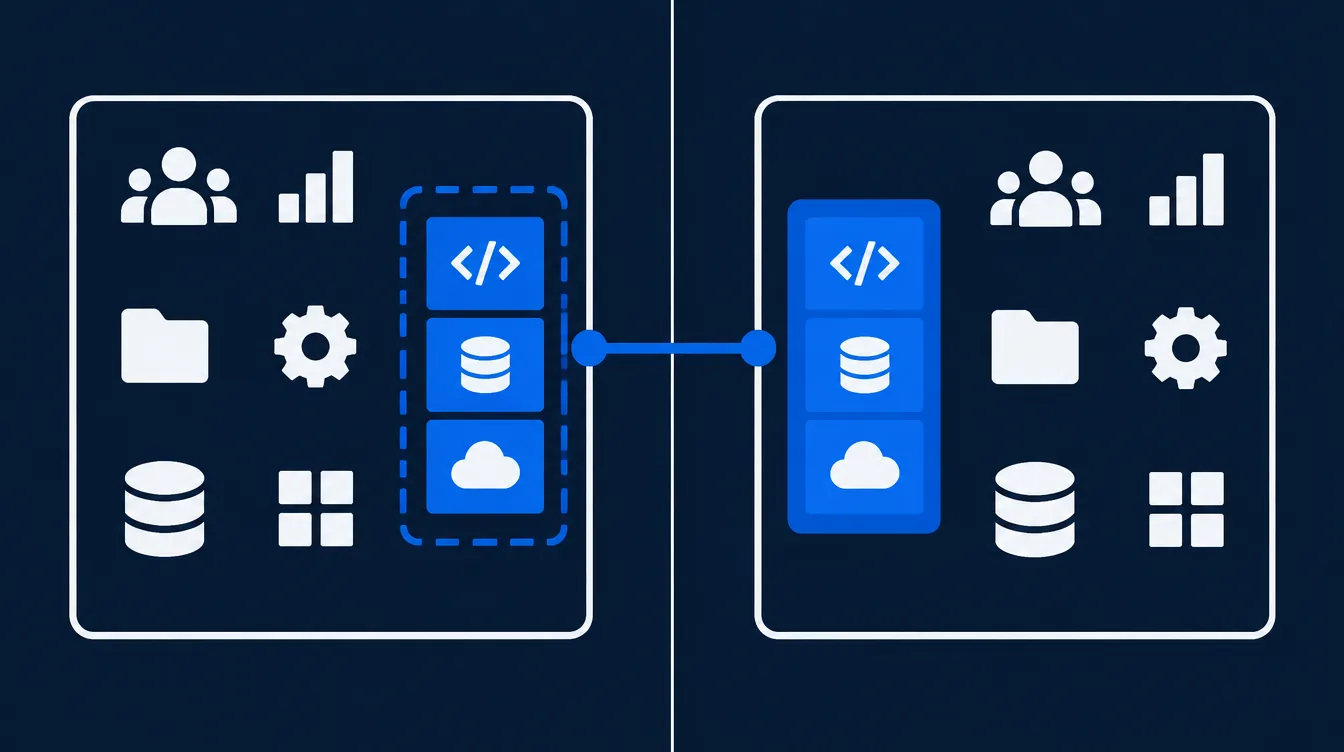
The word covers five arrangements that have almost nothing in common, and most bad outsourcing deals start with two parties using it for two different things. What each model means, who carries the risk, and when not to outsource at all.

Coverage protects nobody. Three rings of tests, a ten-minute rule, and the only metric worth putting on a wall.

Java 1.5, WebForms, PHP: an E2E test does not read your code, it looks at HTML. Here are the six prerequisites that actually matter, and the real limits.

I have shipped both to production. The architectural difference is real, but the tool is never what decides whether an E2E suite survives.

Two quotes for the same brief can differ by 3x without anyone lying. Here is how to bring them down to days, rates and scope before you sign.
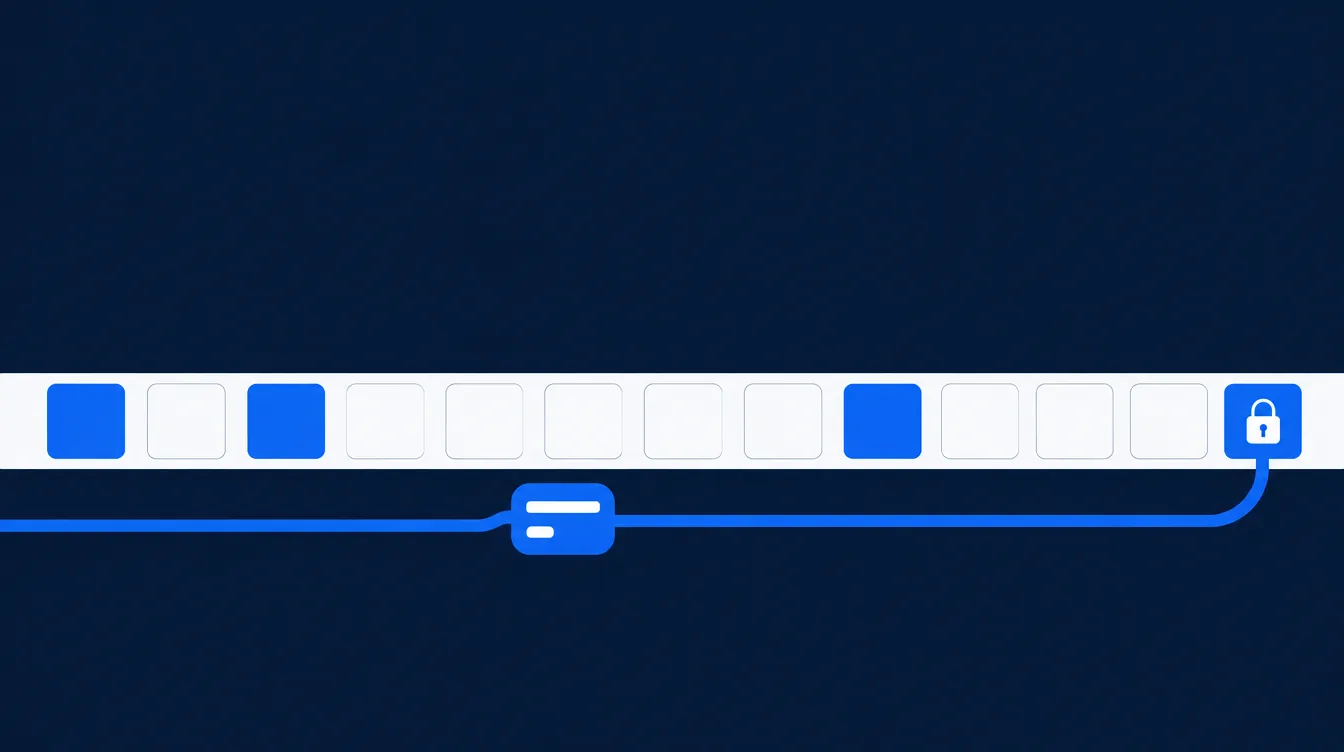
Five technical blocks, a published day-rate grid from 150 to 450 EUR, and worked examples from booking platforms we operate in production.
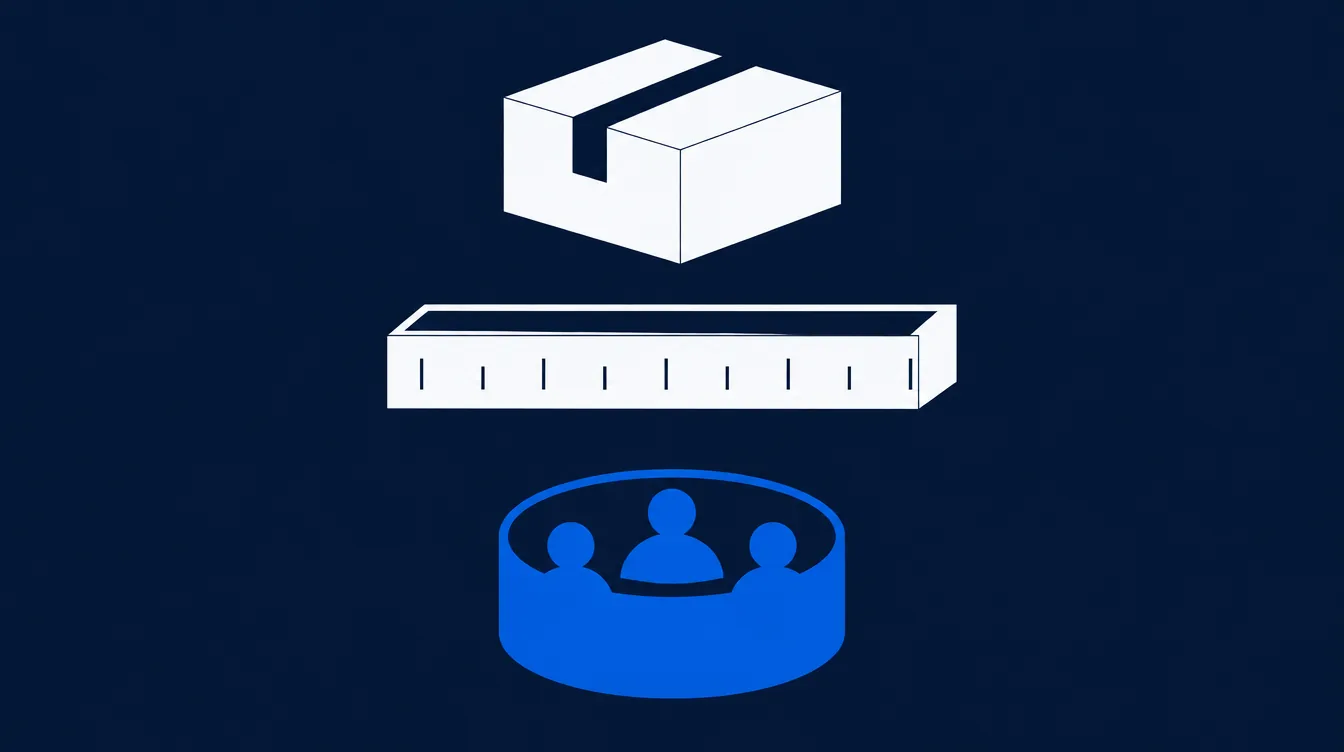
The contract model decides who pays when the scope turns out to be wrong. We compare fixed price, time and materials and the pod using our own terms: public rates from 150 to 450 EUR per day, pods from 15 to 40K per month.
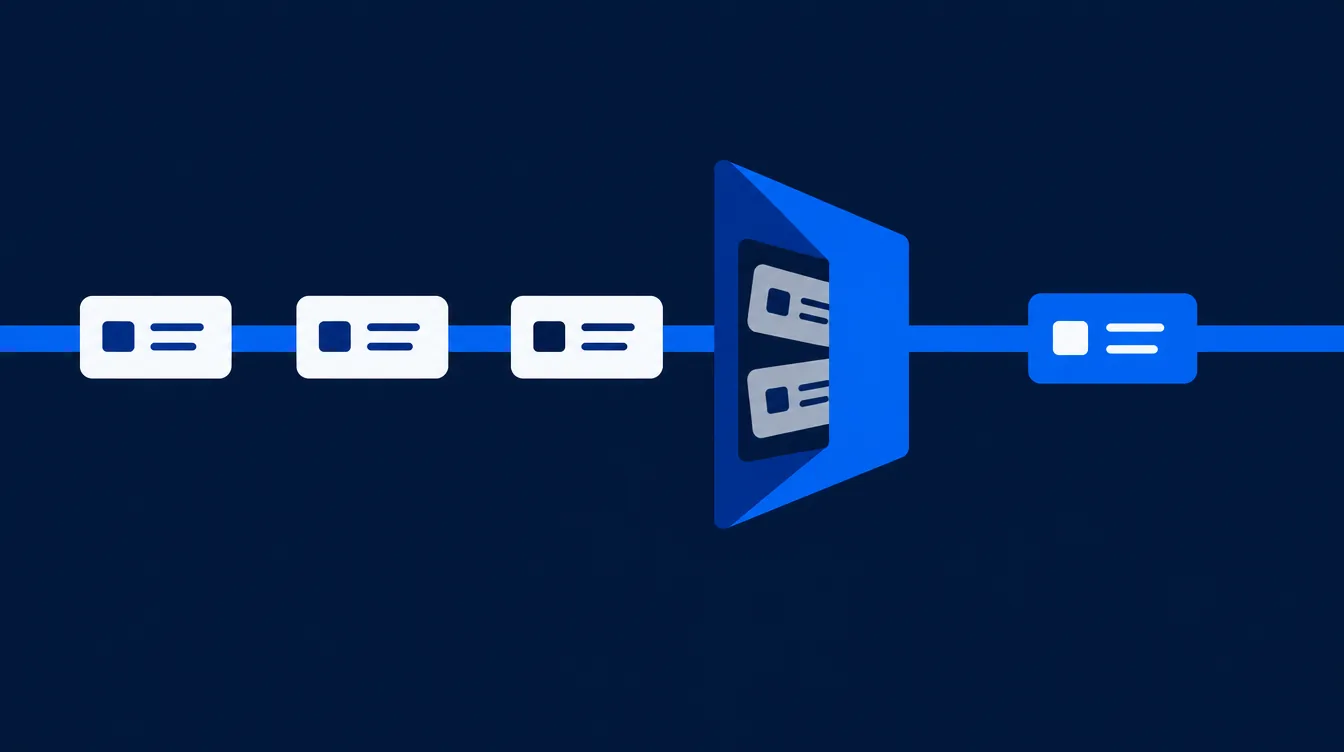
One replayed webhook is enough to charge the same traveler twice. We explain the idempotency key design that makes it impossible, drawn from booking platforms we run in production with iDEAL and Bancontact.
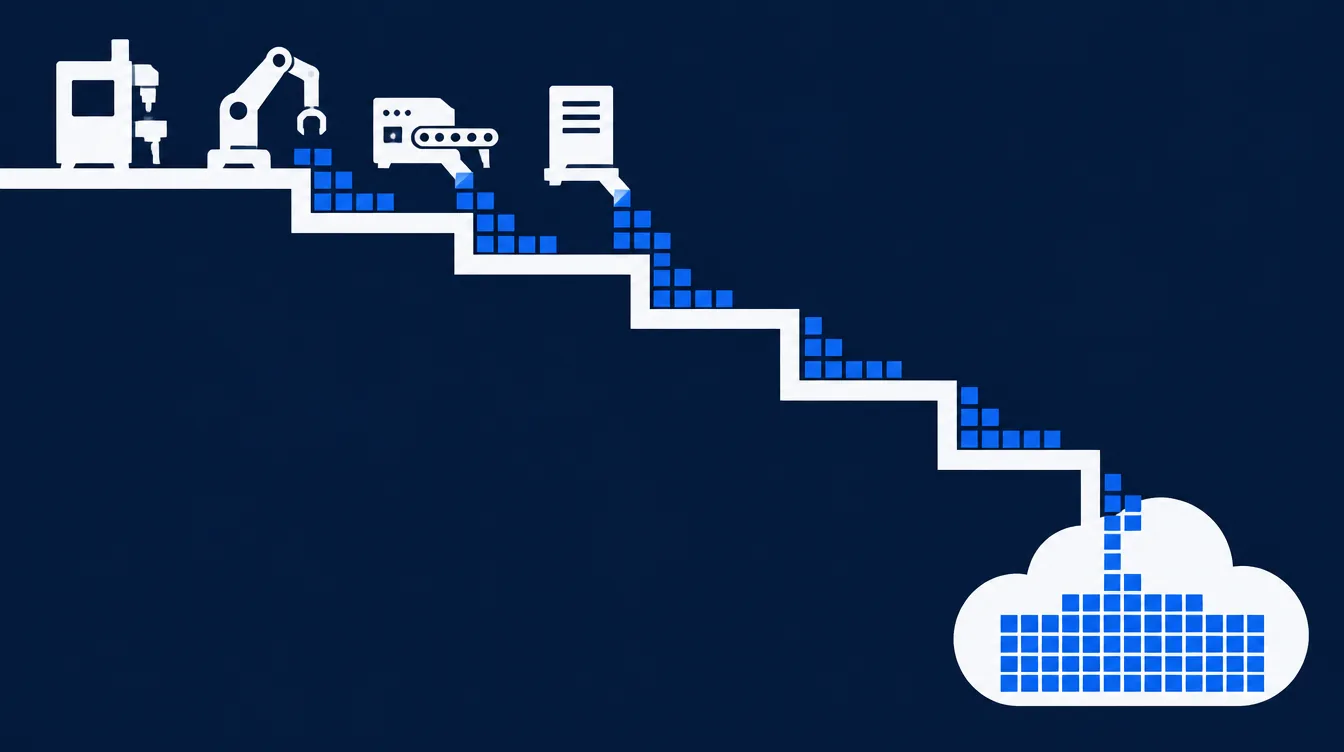
The pattern that makes machine data ingestion into Azure survive real plant conditions: a queue between the shop floor and the cloud, priced in engineering days on our public rates.
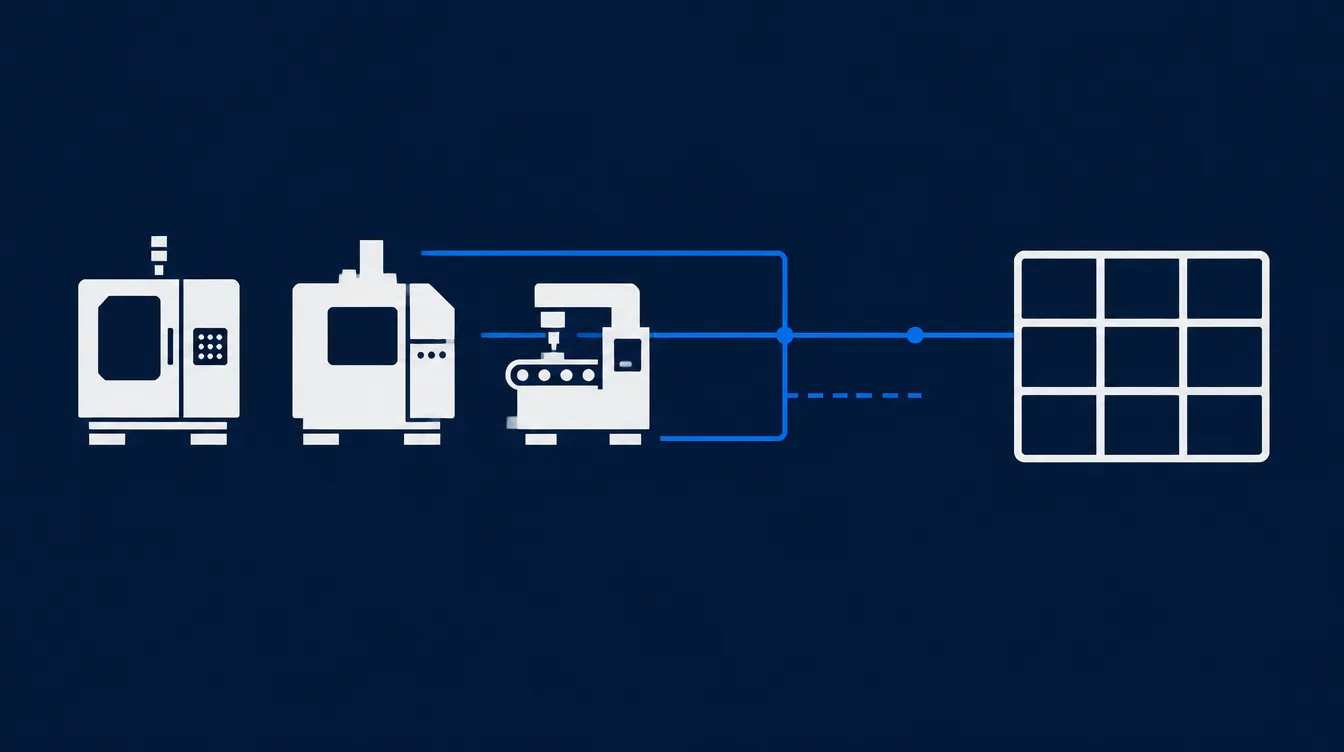
The method we use to estimate MES and ERP integration in engineering days, with a complete worked example priced from our public rate grid.
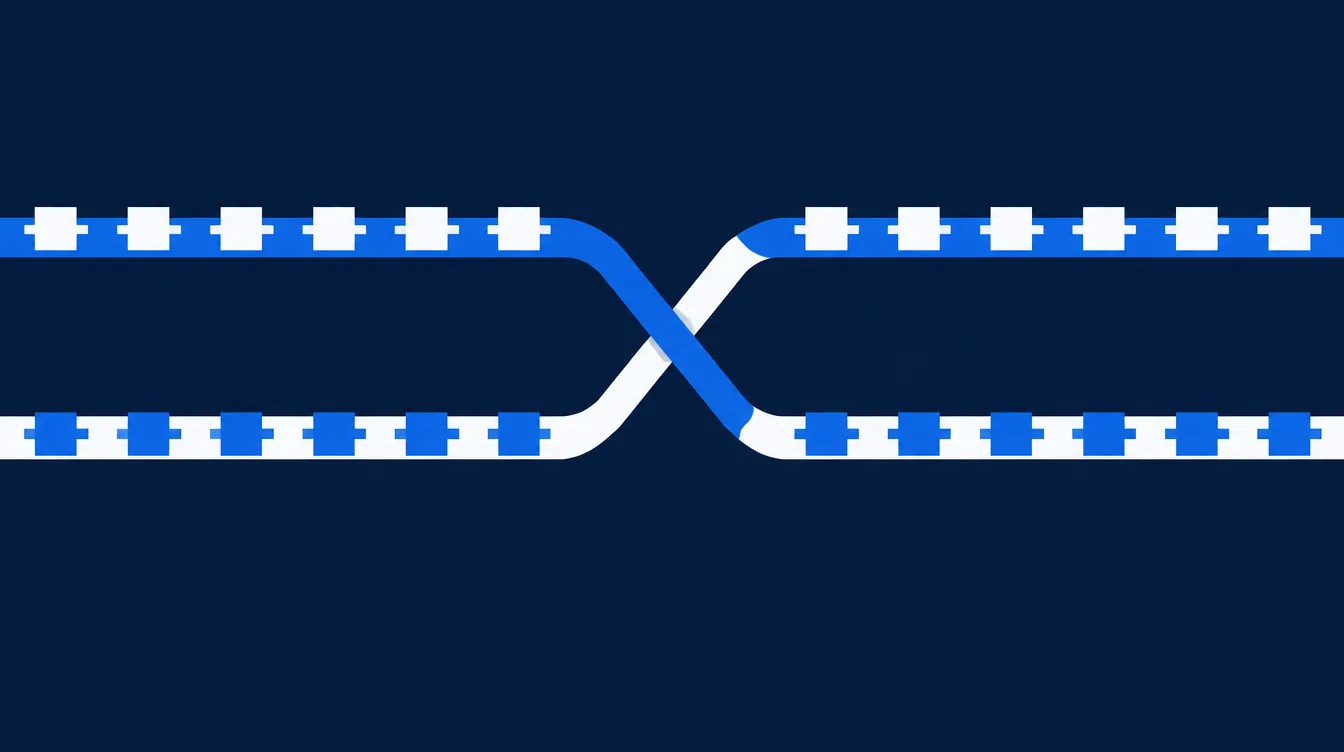
The new system shadows the old one in silence, the copies are proven to match, and the rollback lever stays live until the end. The full playbook, priced, limits included.

The budget floor of a rebuild is the data migration, not the new code. Here is how we price one: four blocks of days and a multiplier table, with a worked example at our public day rates.
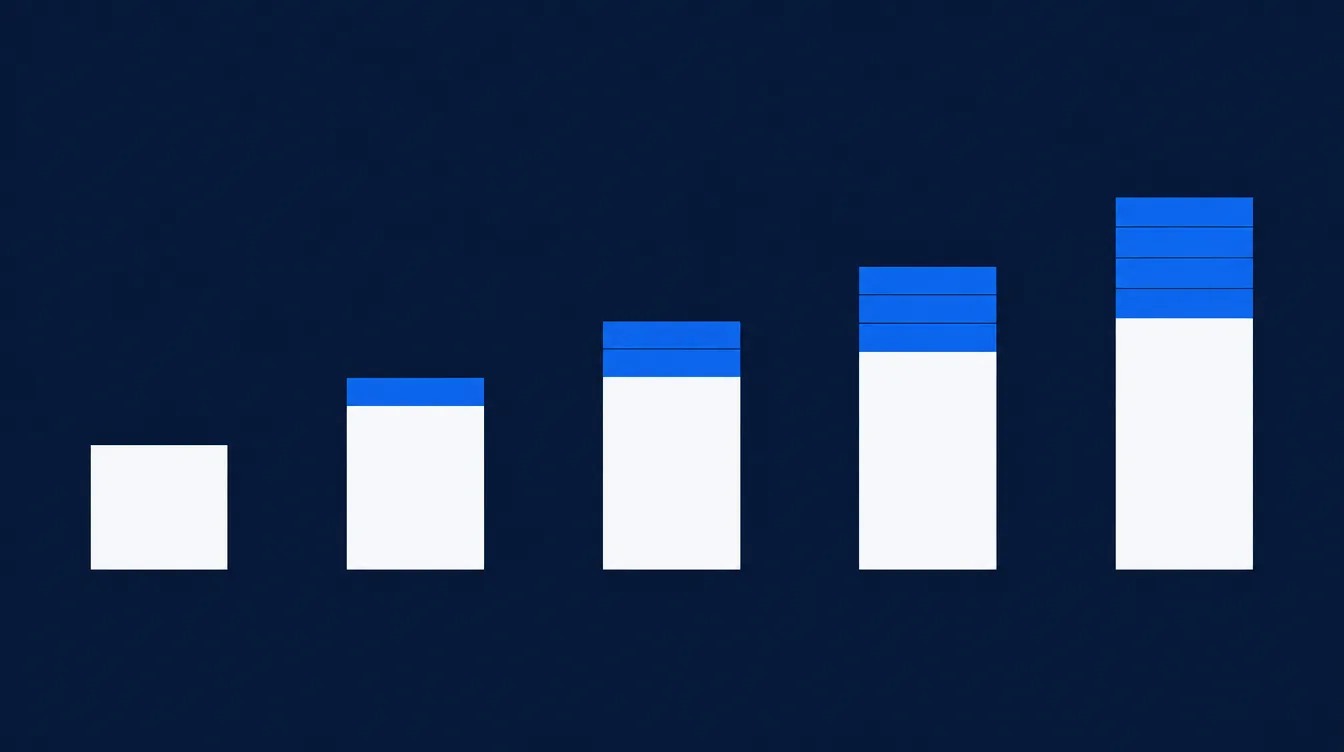
Build, run, corrective maintenance, evolution, exit: the full five-year cost of a business application, computed line by line from our public day rates. The model your CFO can actually check.

Our rates are public: 150, 200, 300, 400 and 450 EUR per day. Here is who works at each band, what the price covers and how to check every number on our quote page.

An architecture is not judged on a diagram. It is judged the night a service goes down, the month the team doubles, the year the product pivots. These are the principles we apply to every system we build.

Hiring a senior engineer in Europe takes months you don't have, for talent that isn't there. Except it is there, just somewhere else. Here's how a European company taps world-class brainpower without opening an office, sifting CVs, or managing anyone.
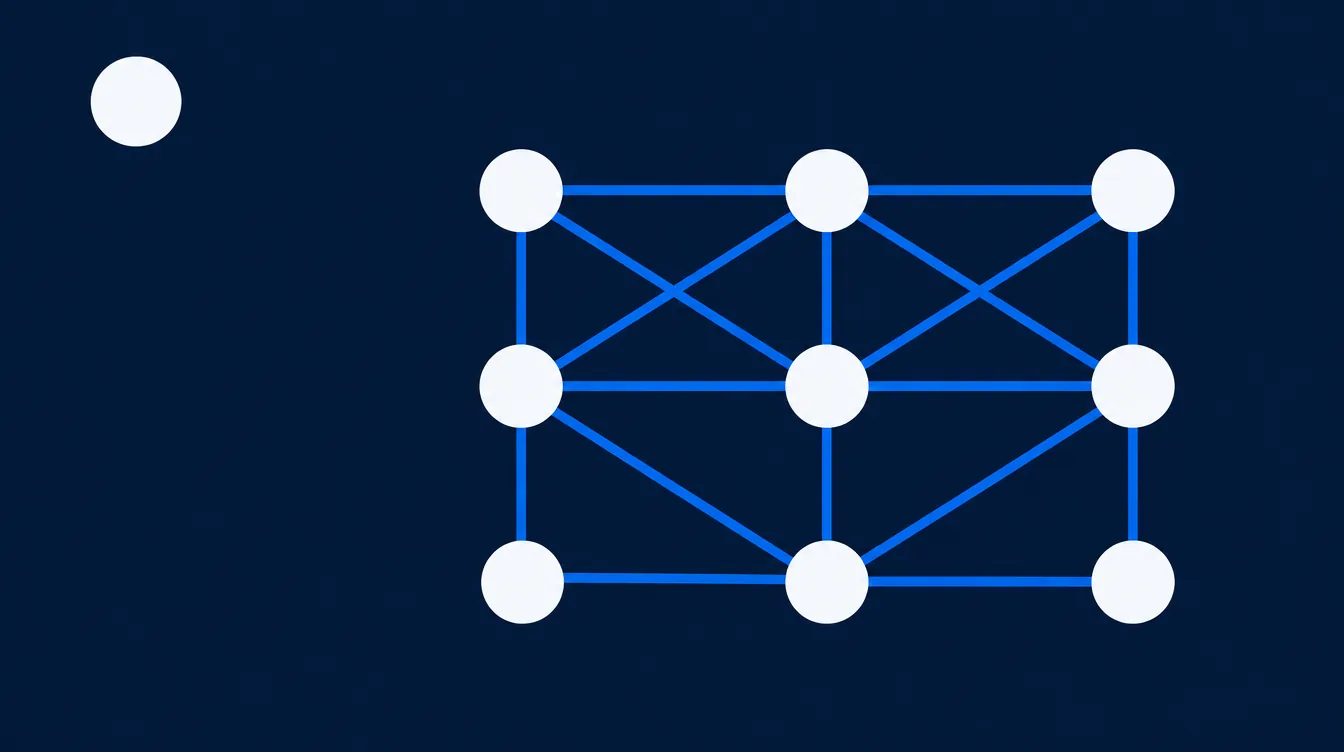
Offshore has a bad reputation, and often it's deserved, because most of it is just bodies rented by the day with the management dumped on you. Managed talent is the opposite. Here's the difference, and why we carry everything except your vision.
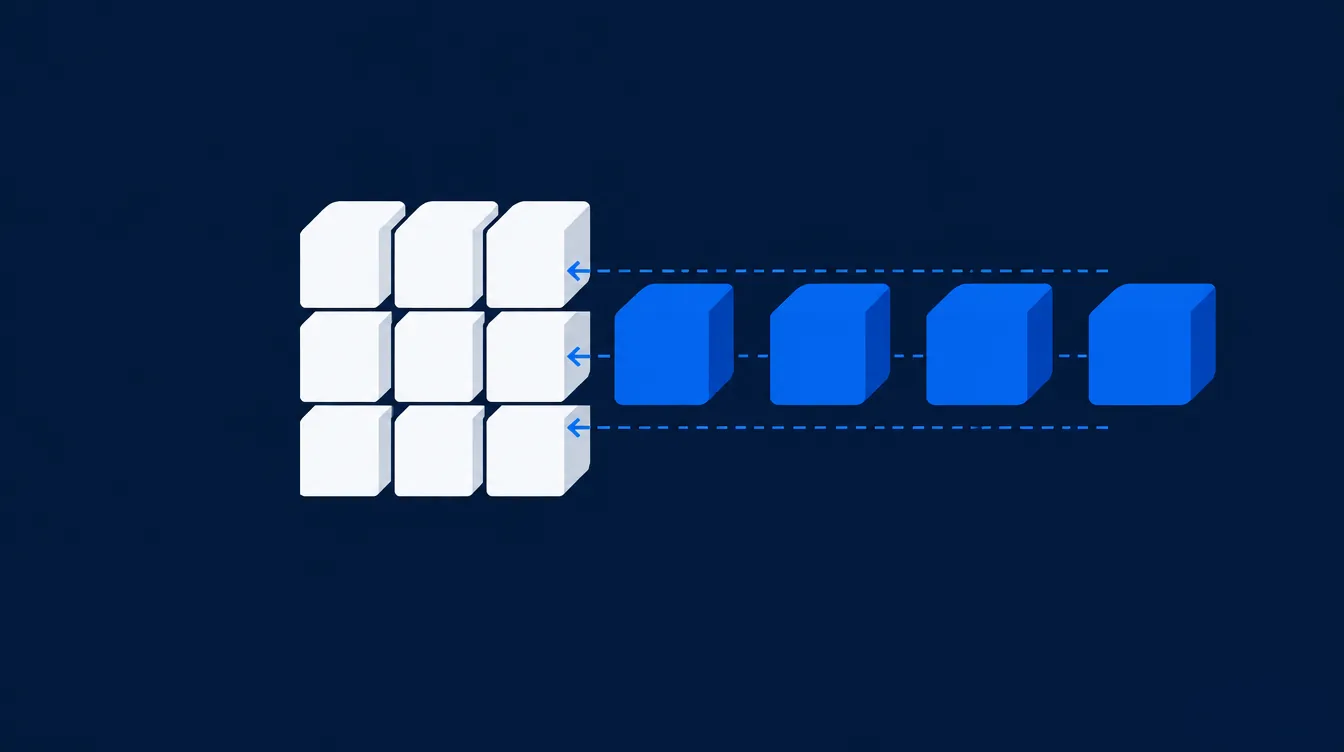
Hiring eight engineers in 2026 takes nine months and costs you the year. An extended team is in place in three weeks. But the real point isn't speed. It's balance.
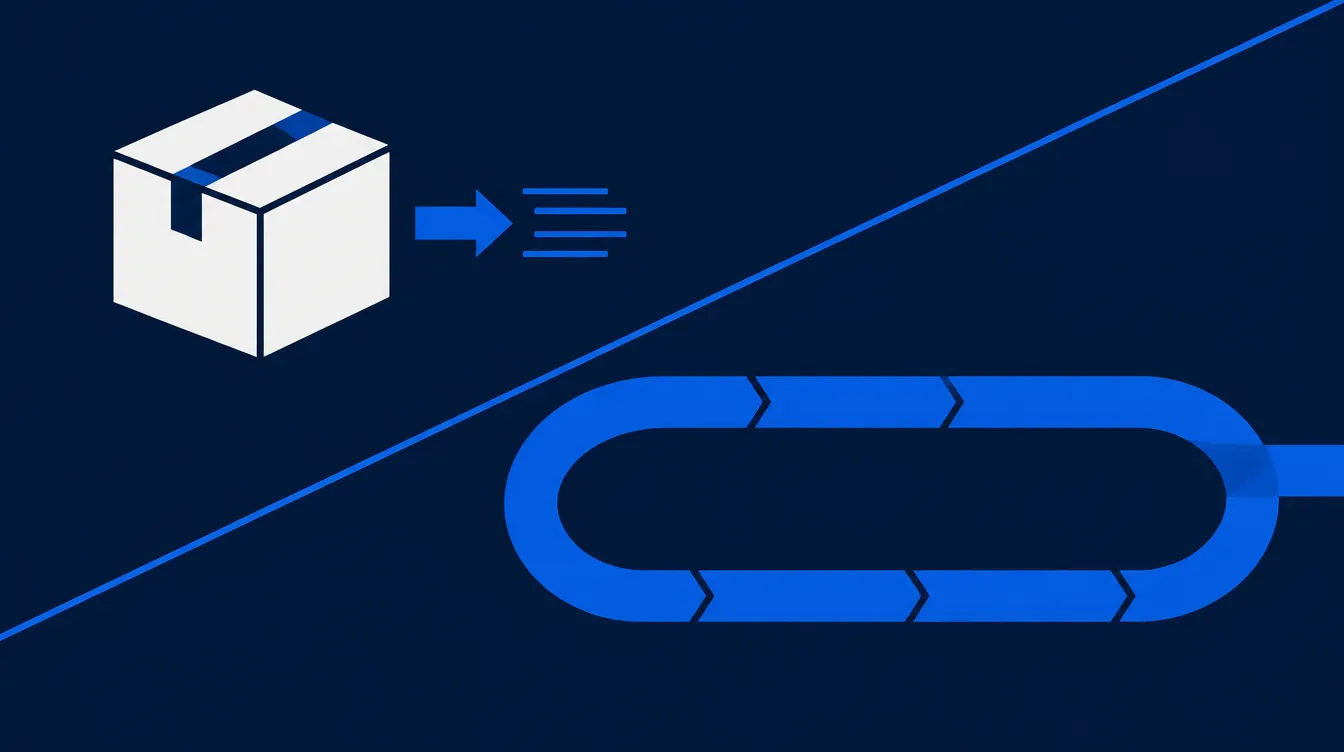
If you measure us in lines of code shipped, you've already lost. The difference between an agency and a product partner isn't price. It's who's thinking about your business on Monday morning.
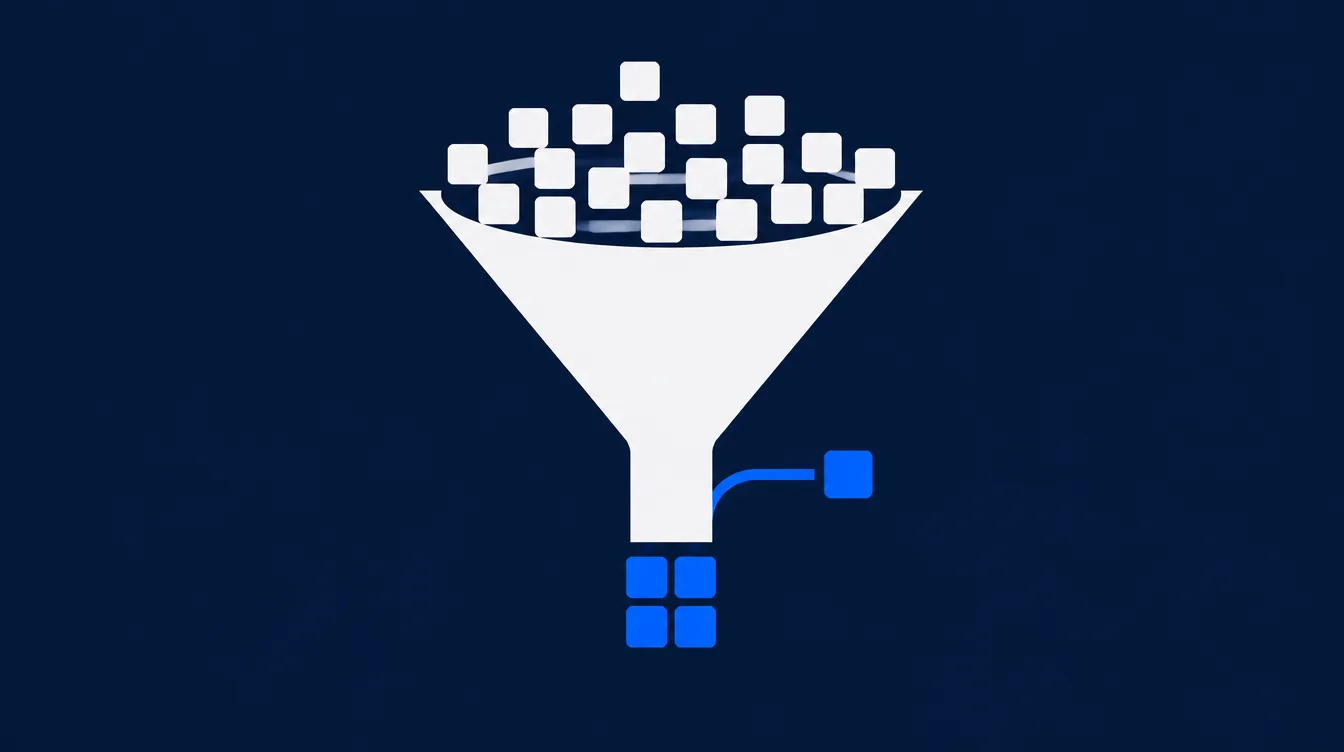
We don't start with code. We start with the question nobody at the table is asking yet. Here's why five days of framing save you six months of going the wrong way.

At JADEV, we rebuilt our entire development lifecycle around AI. Not because it was trendy, but because the results were too obvious to ignore. Here's what we learned after a year of doing it for real.
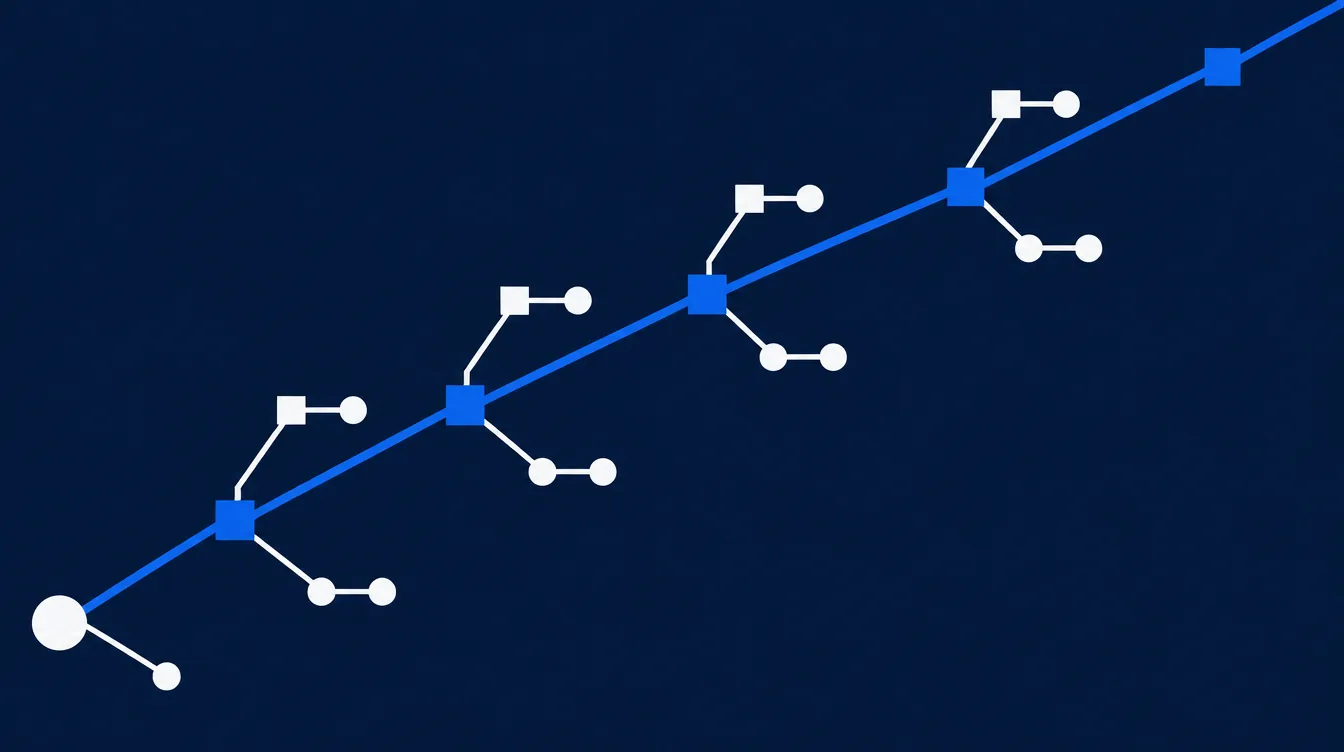
At JADEV, code is the easy part. What makes the difference is the thinking that precedes it. Here are the four mental models we apply to every project, and why they radically change outcomes.

Nearshoring to Morocco isn't about cost. It's about execution speed with timezone overlap. Here's why I built JADEV as a dual-entity between Brussels and Rabat, and what it actually changes.
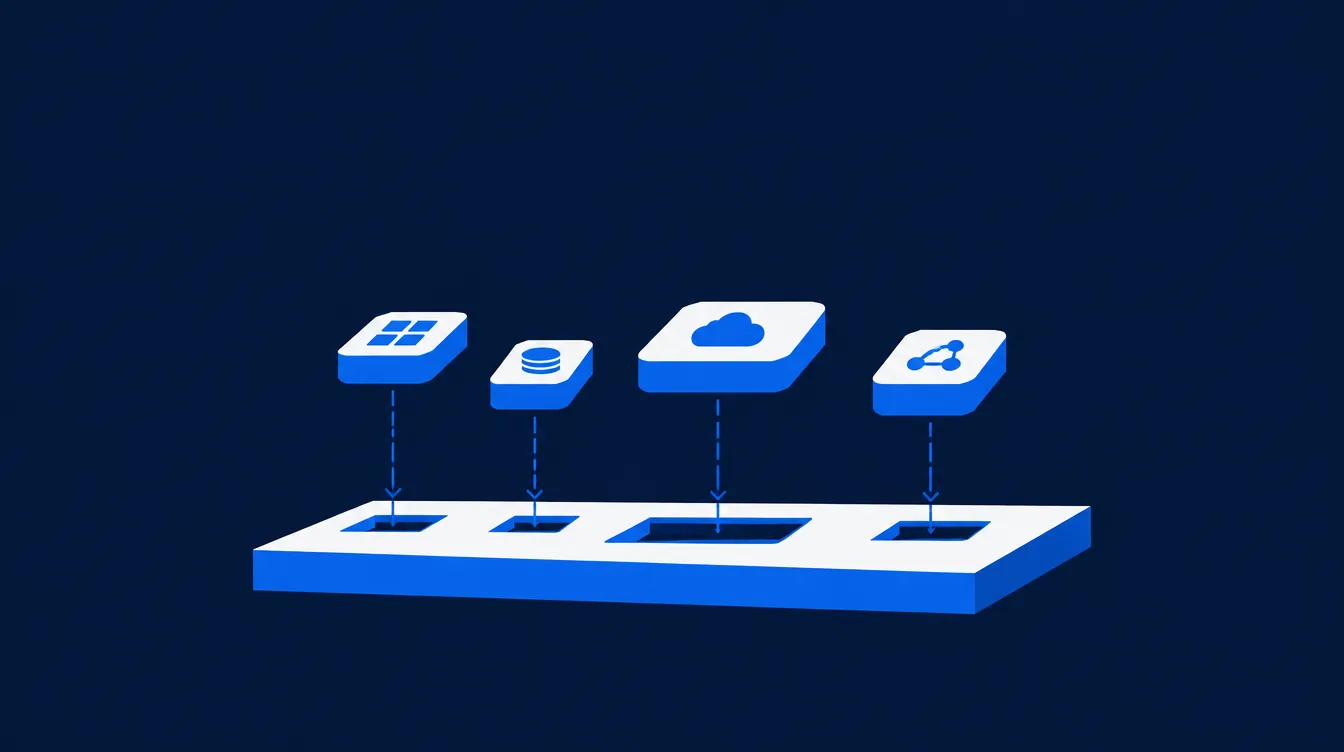
Lessons learned from deploying Azure architectures for European SMBs, Function Apps, App Services, container workloads, and the practical advice I wish someone had given me earlier.
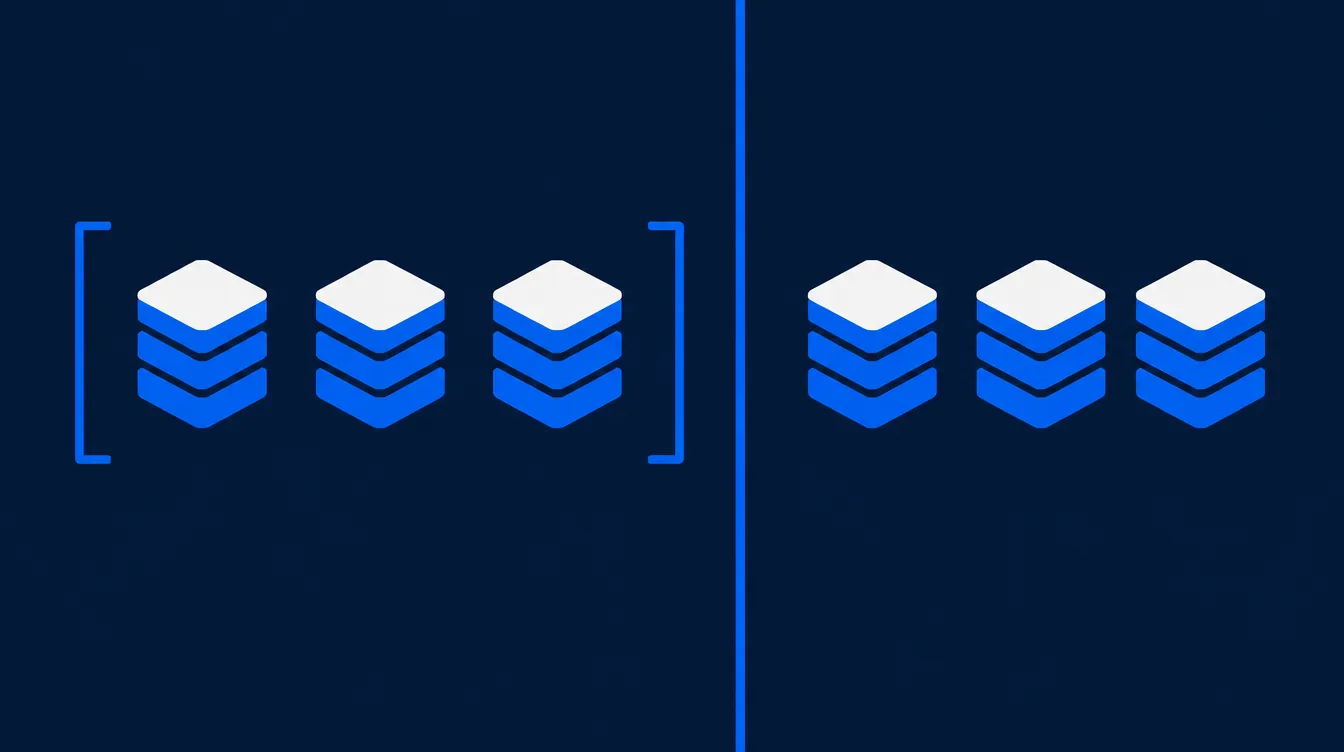
On-premise, sovereign cloud, or hybrid? The real question isn't where your data lives, it's who has access. Lessons from our work across Europe and Morocco.

There is no best stack. There is the stack that serves your product. Here is how we decide at JADEV, no dogma, no trends.
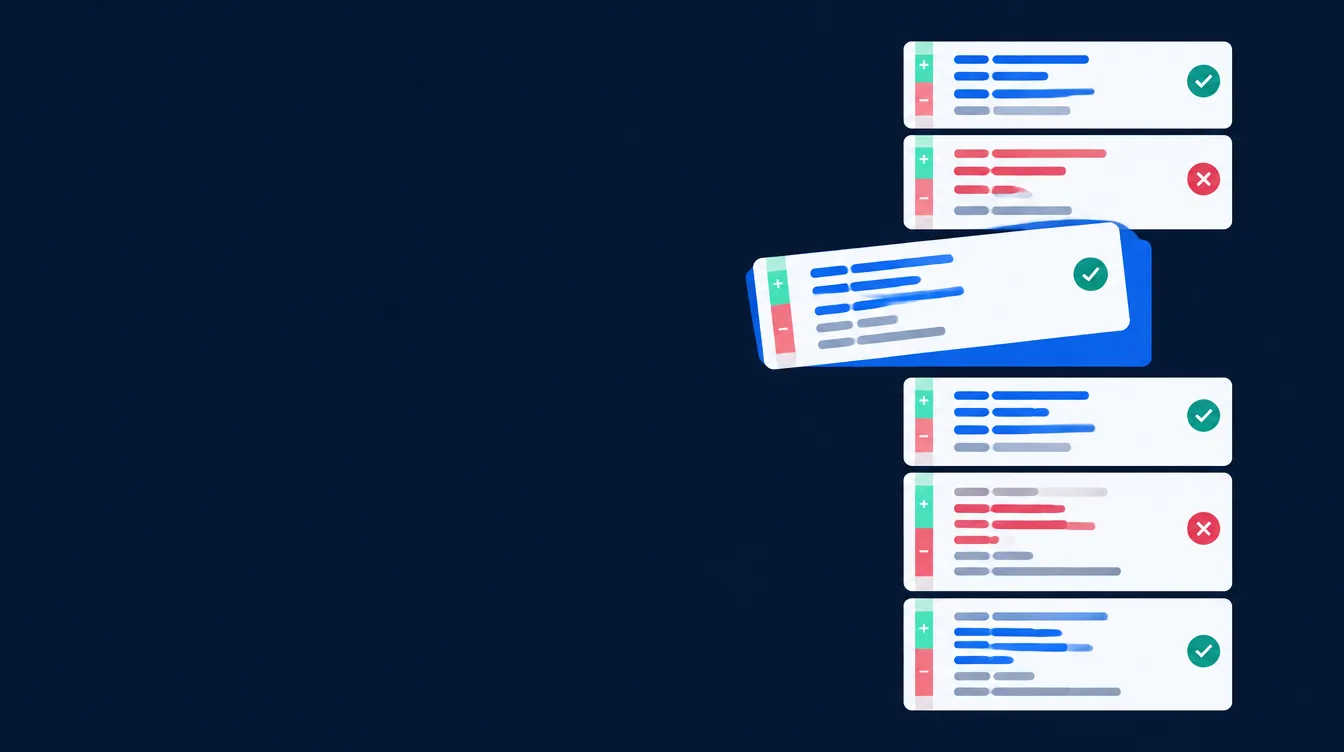
We set up automated PR reviews at JADEV. The result: review time cut by 3x, zero secrets in code, and developers who sleep better at night.
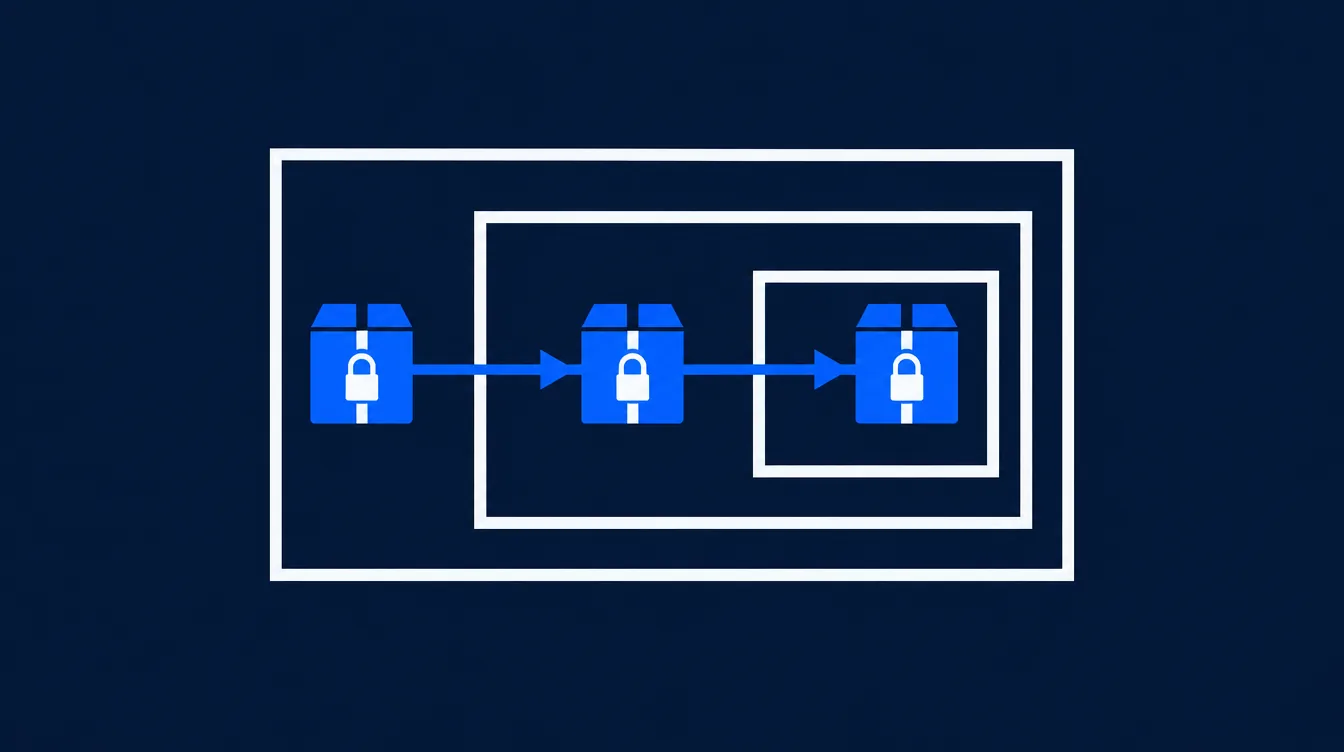
A certified customer does not need you to be certified. They need to prove to their auditor that they control what you do with their data. What that changes for a team delivering from Rabat.